What eight studies say about choosing a somatic variant caller
Eight published somatic SNV and indel caller comparisons, read side by side: rankings change between studies, indel accuracy is lower, and no study covers FFPE, ctDNA or panels.
12 articles tagged with #genomics.
Eight published somatic SNV and indel caller comparisons, read side by side: rankings change between studies, indel accuracy is lower, and no study covers FFPE, ctDNA or panels.
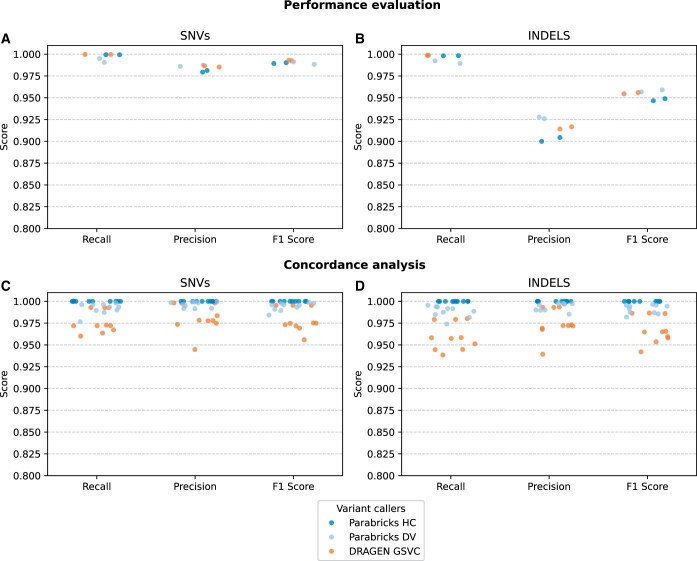
GPU and DRAGEN pipelines cut a whole-genome run from 17 to 39 hours on CPUs to between about 25 minutes and two and a half hours, and the one study that compared their calls with the CPU pipeline found close agreement. No study reruns a pipeline to test reproducibility, and FP8 gave a genomic foundation model at most 19.3% more throughput.
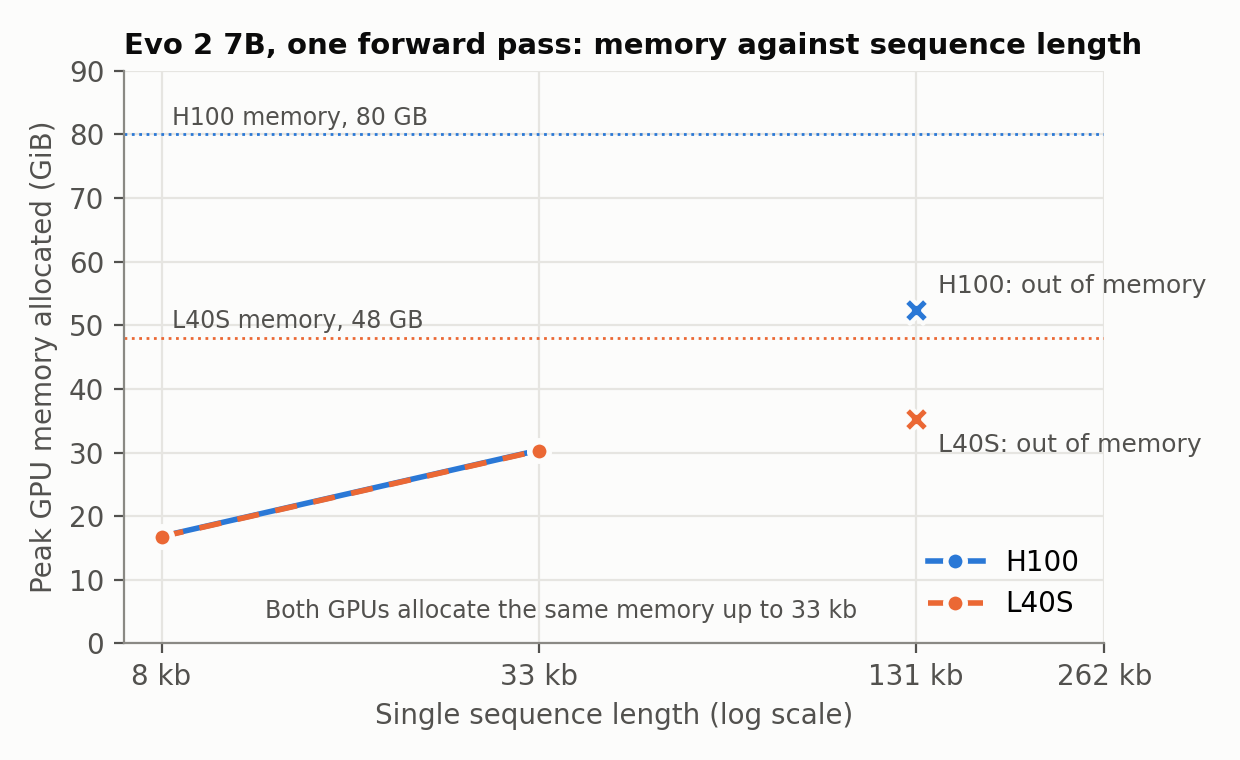
Two H100s on different clouds gave bit-identical Evo 2 scores for 3,893 BRCA1 variants. An L40S running the same container reshuffled two thirds of the ranking. Running the model in FP32 brought the two GPUs back into agreement, at three to six times the compute.
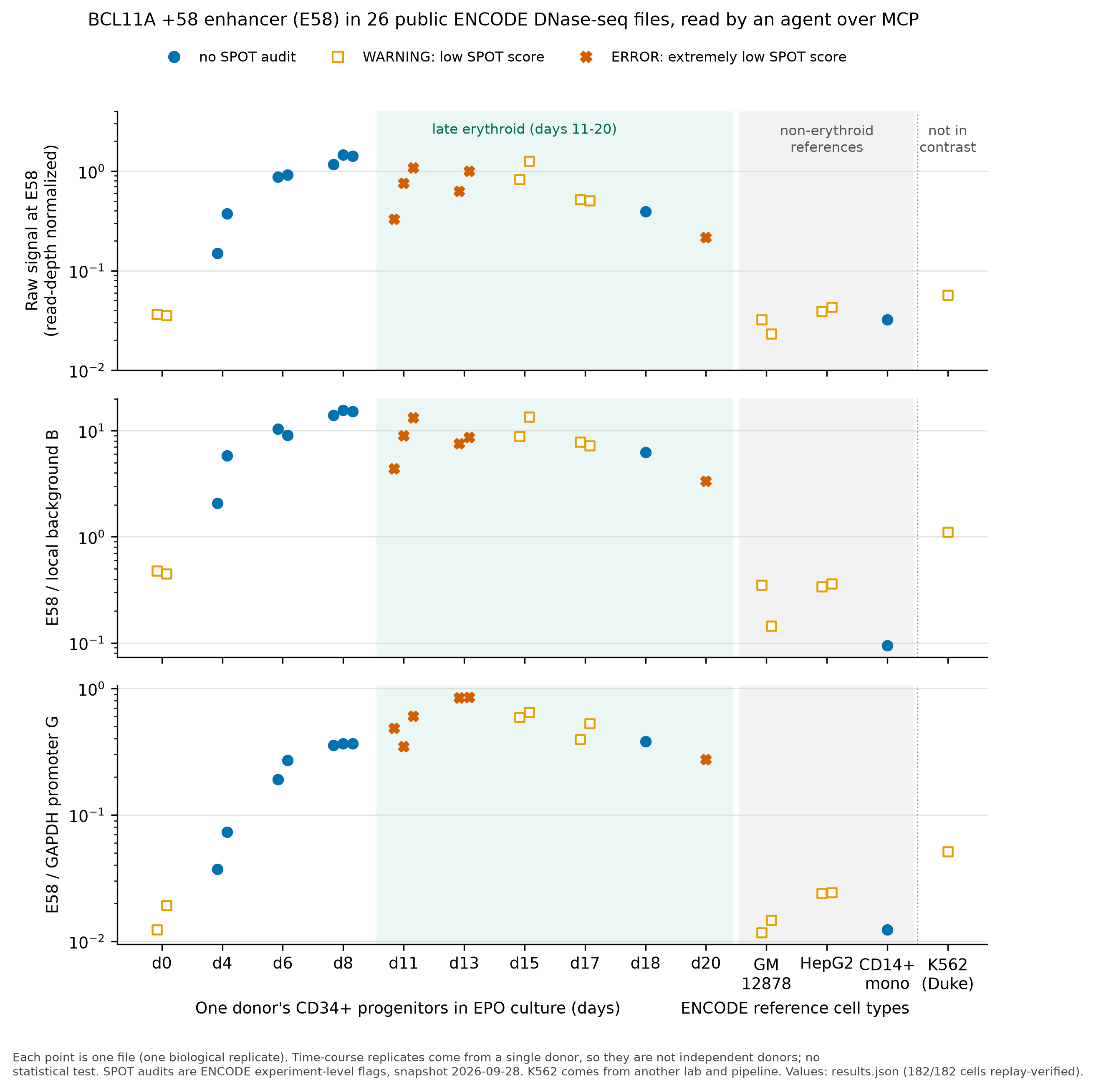
Genomics MCP is a local MCP server that gives AI agents bounded, provenance-tracked access to real genomic data: discover public files, then read bounded regions from bigWig, BAM, CRAM and VCF. Includes a case study where Claude used only its tools to compare BCL11A enhancer signal across 26 public ENCODE files.
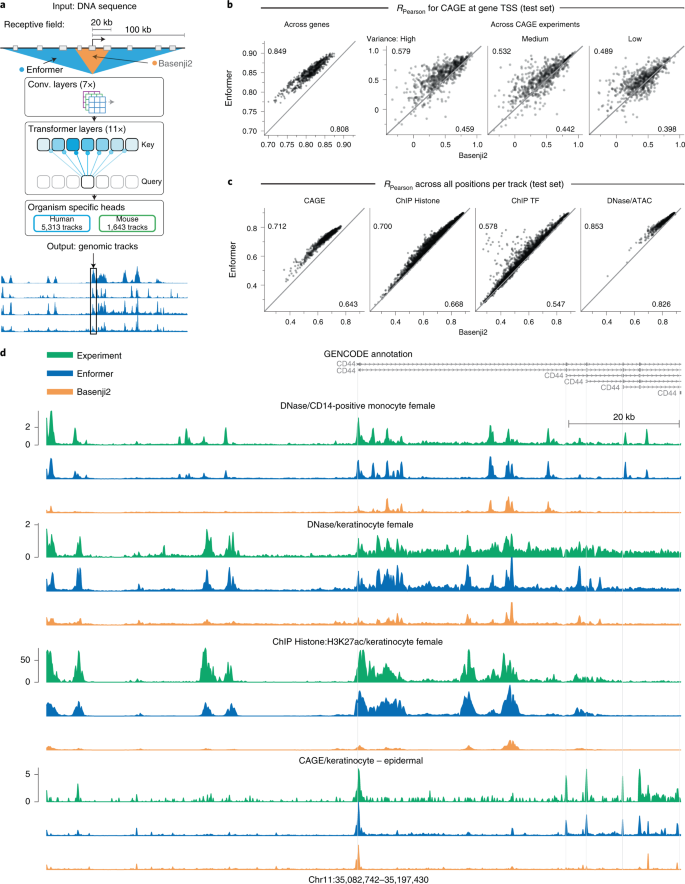
One pretrained genomic model can look dominant on a leaderboard and lose to a linear baseline on the next task. Two evidence ledgers explain why.
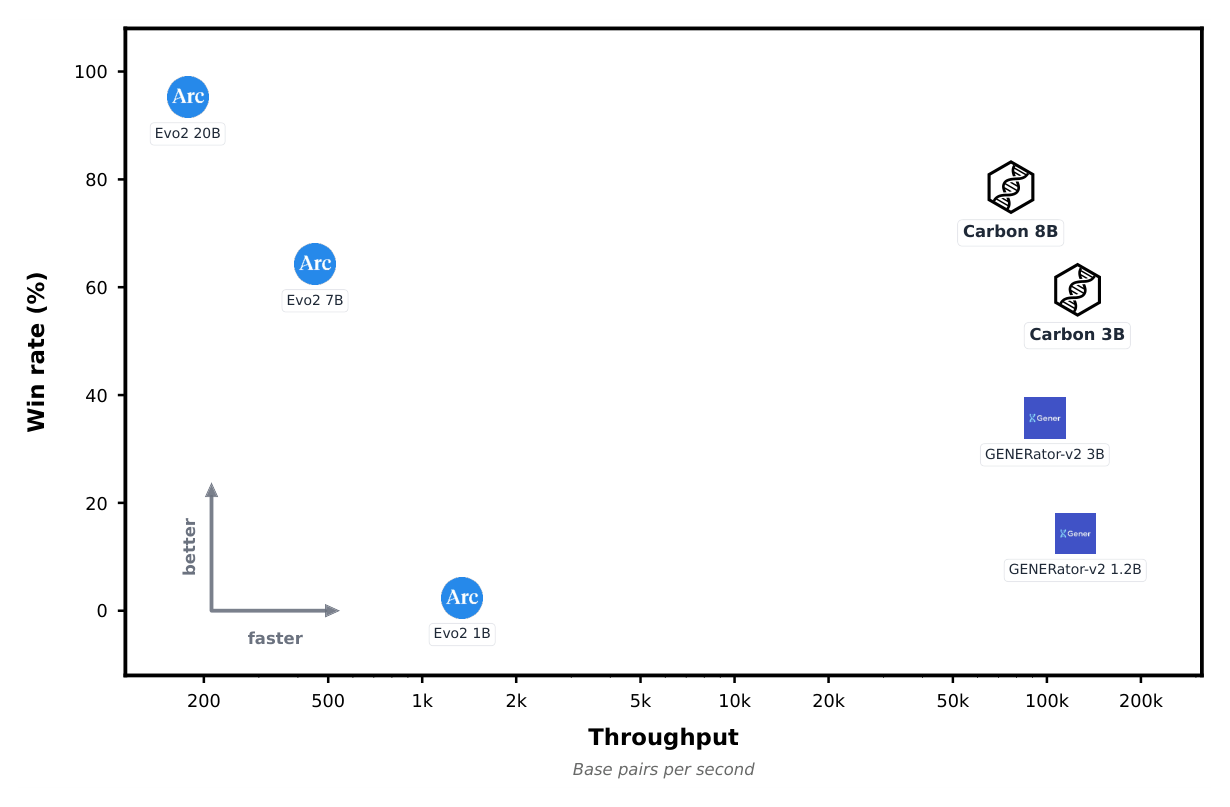
Carbon-3B matches Evo2-7B on sequence recovery, variant-effect prediction, and motif-perturbation discrimination while generating DNA over 150 times faster.
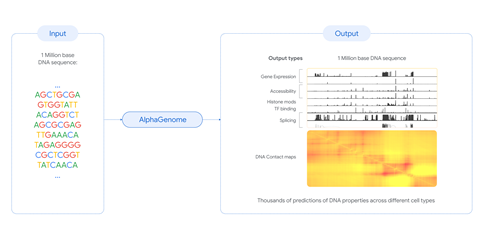
Google DeepMind's AlphaGenome reads 1 million base pairs of DNA and predicts thousands of regulatory functions at single-nucleotide resolution, beating 25 of 26 specialized models.
AlphaGenome processes 1 million DNA base pairs to predict variant effects across 7,000+ genomic tracks in one second, outperforming specialized models on 25 of 26 VEP benchmarks.
A technical look at AlphaGenome's architecture, its 2D pairwise embeddings for splicing prediction, and what the model means for clinical variant interpretation.
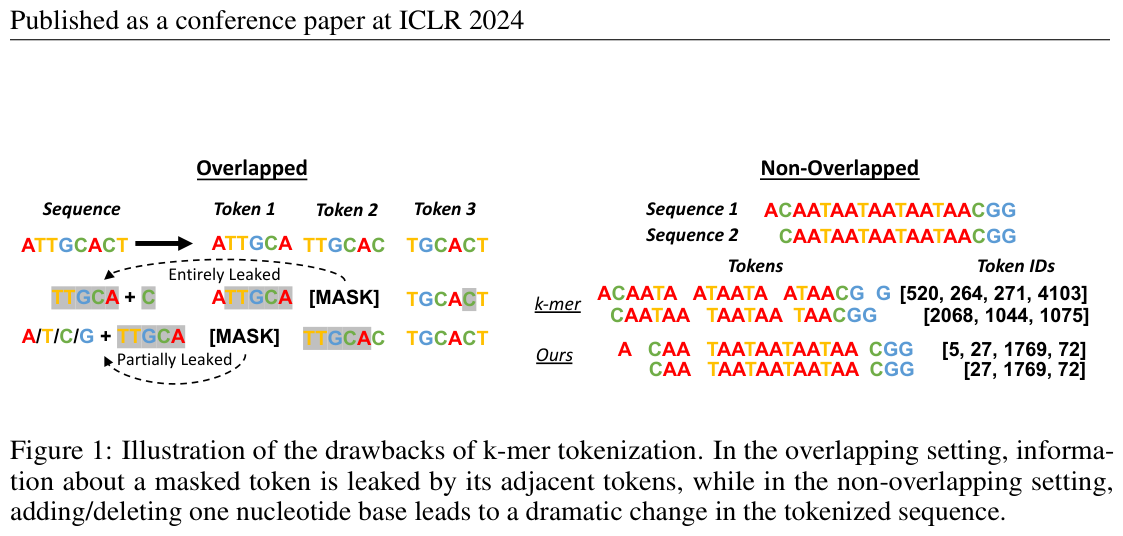
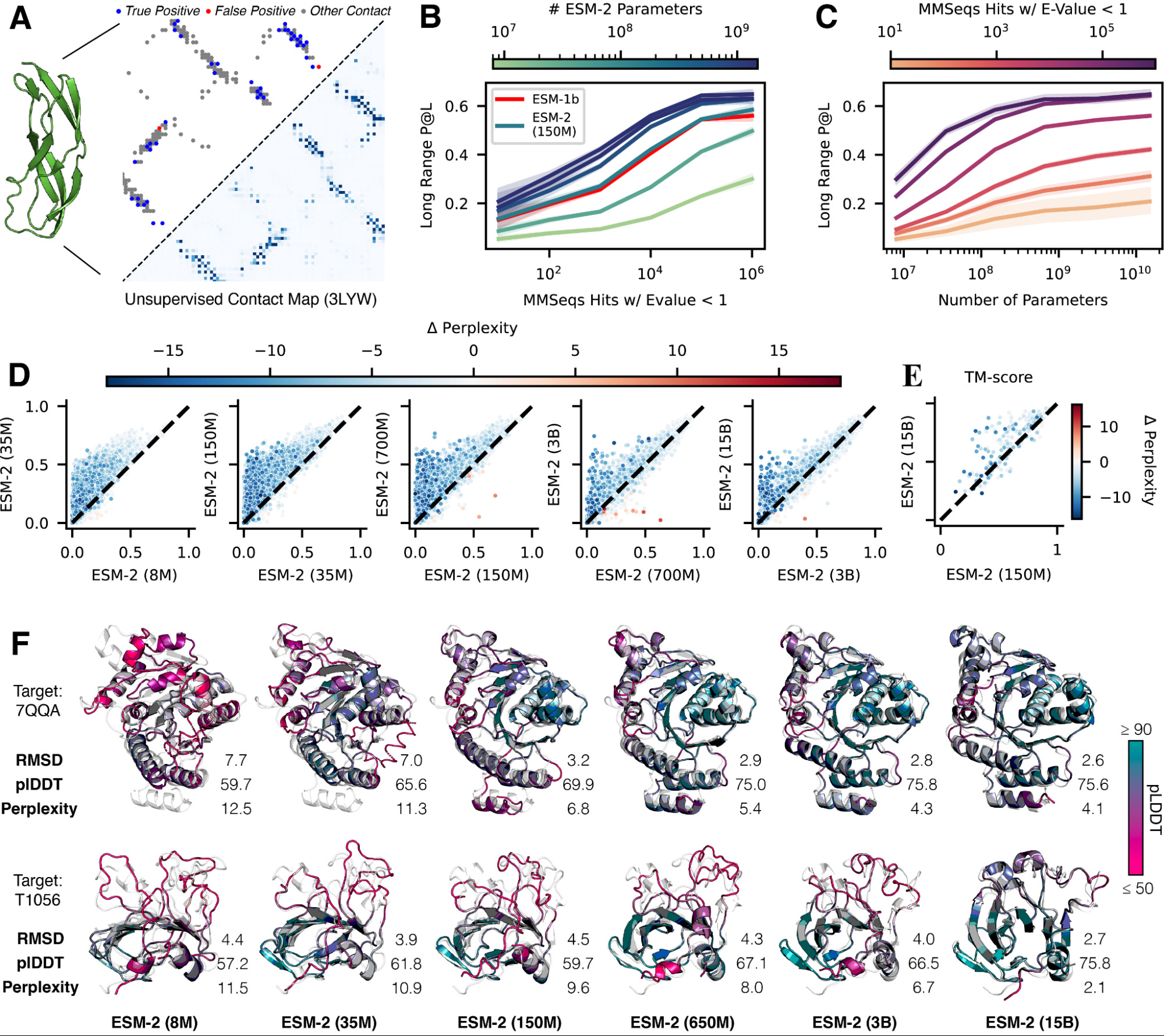
A practical guide to selecting genomic foundation models for bioinformatics tasks. Covers ESM-2, DNABERT-2, HyenaDNA, Nucleotide Transformer, scGPT, and Evo with scoped comparisons for DNA, proteins and single-cell analysis, with corrected references and clear distinctions between frozen representations and trained predictors.
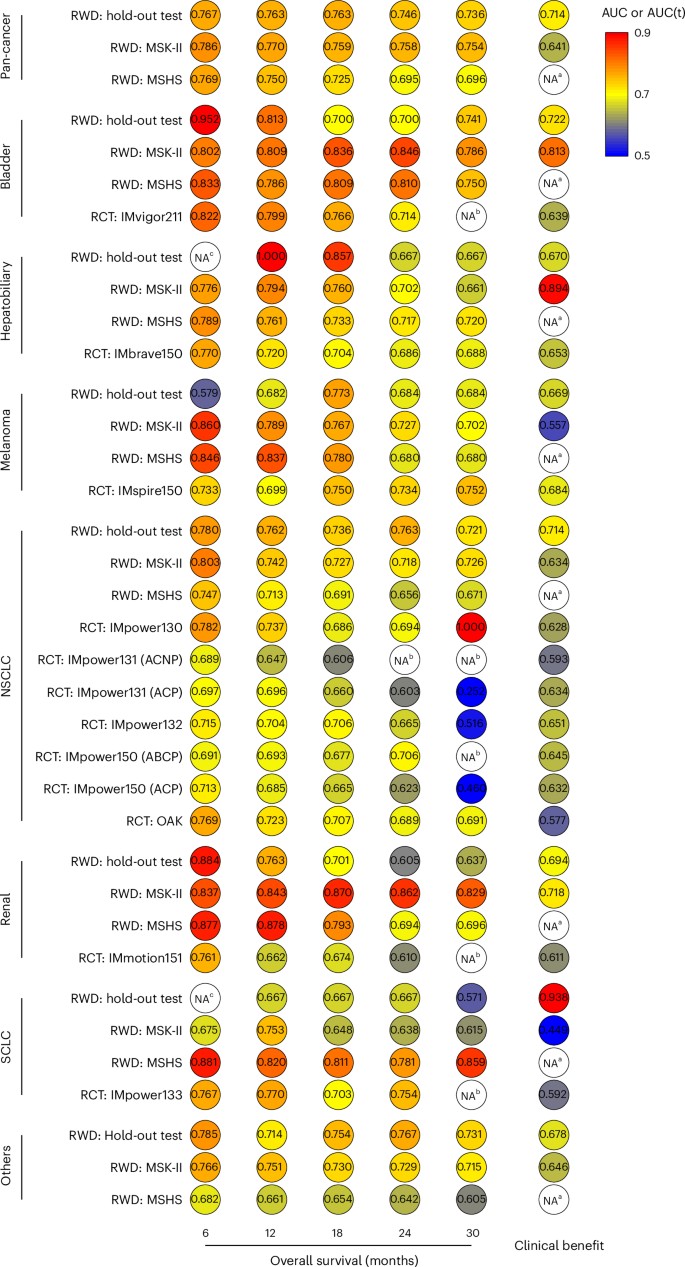
Machine learning models now outperform FDA-approved biomarkers in predicting treatment response, but the best-performing models often resist explanation. Here's how precision oncology is navigating the trade-off between performance and interpretability.
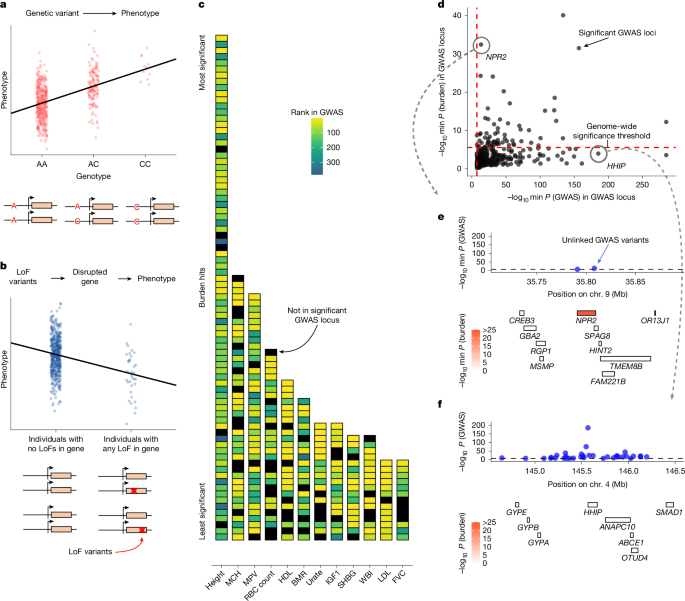
How gene length, trait specificity, and luck systematically distort which genes we think are important for disease, and what researchers should do about it