Protein Colour: Hard to Beat a Simple Average
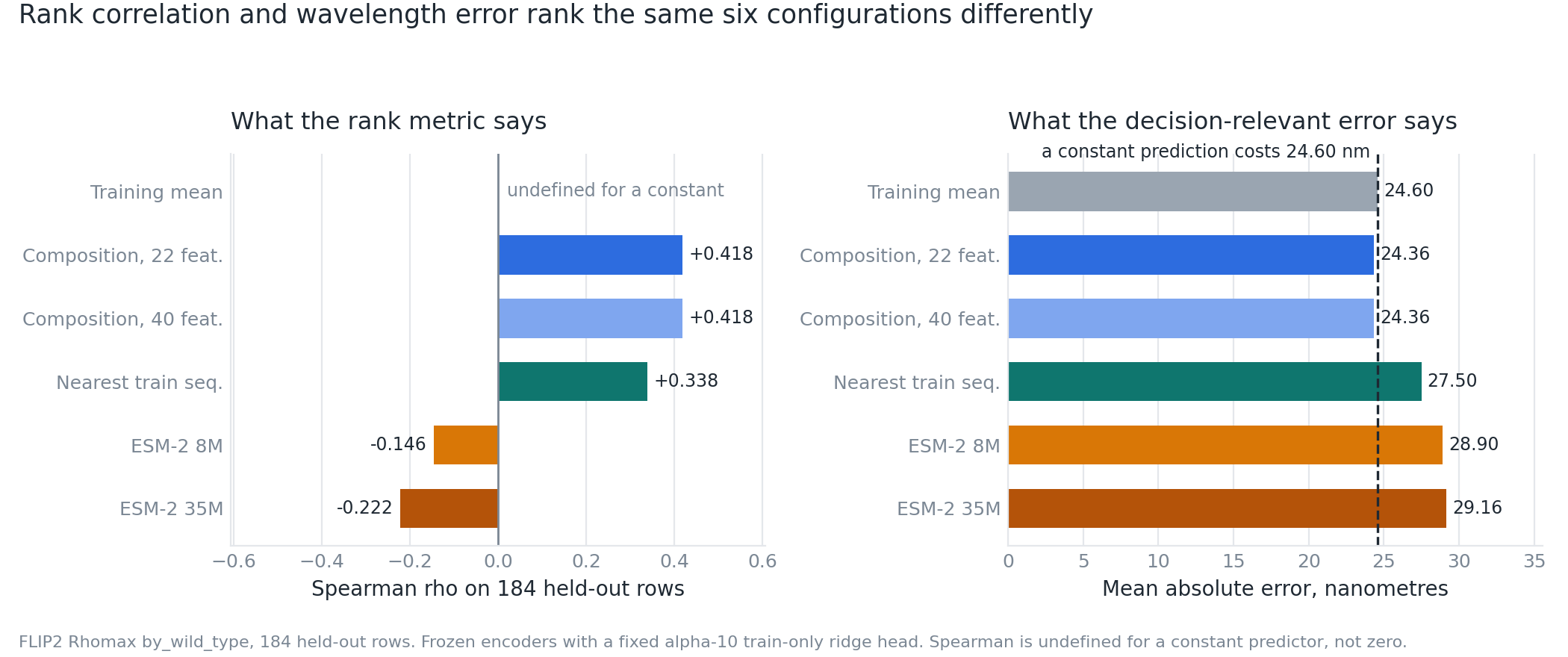
A model can put proteins in a useful order while barely improving its predictions. Six rhodopsin models show why error in nanometres matters alongside rank correlation.
8 articles tagged with #bioinformatics.
A model can put proteins in a useful order while barely improving its predictions. Six rhodopsin models show why error in nanometres matters alongside rank correlation.
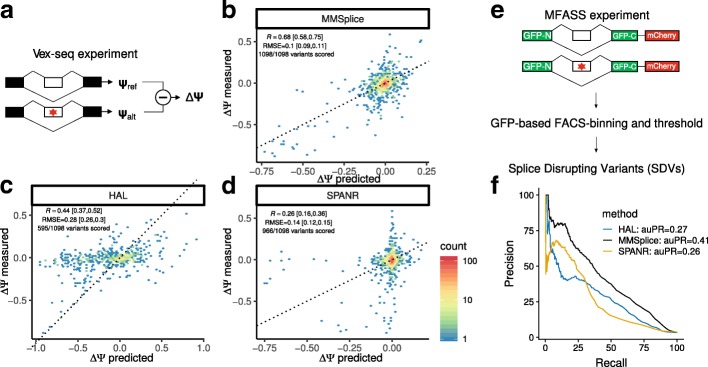
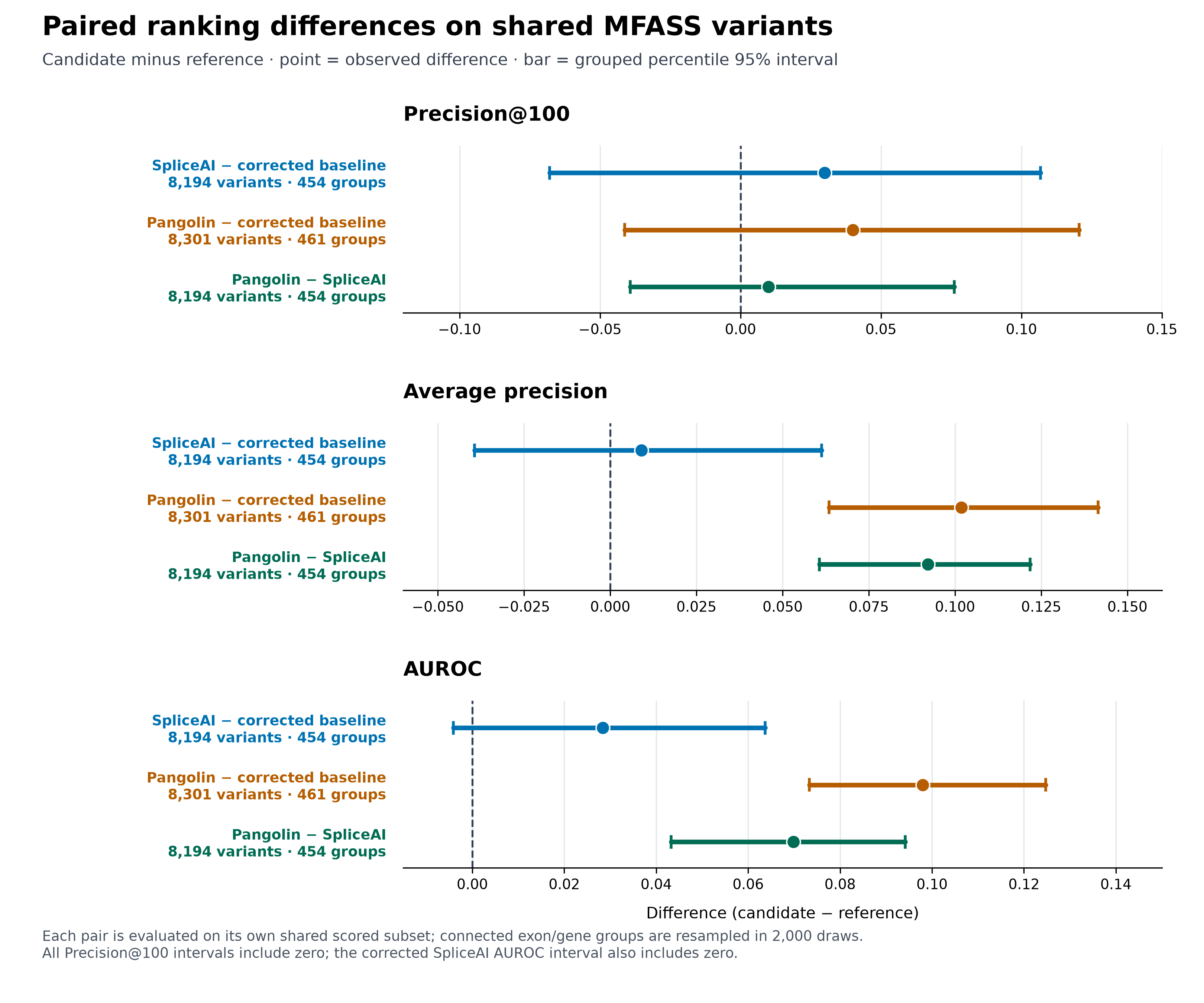
If you can test 100 variants in a splicing reporter, which score should rank them? On 8,297 held-out MFASS variants, a simple trained baseline put 61 splice-disrupting variants in its first 100, and SpliceAI and Pangolin put 63 to 66. The difference was not established. Pangolin ranked the whole list better in exploratory analyses.
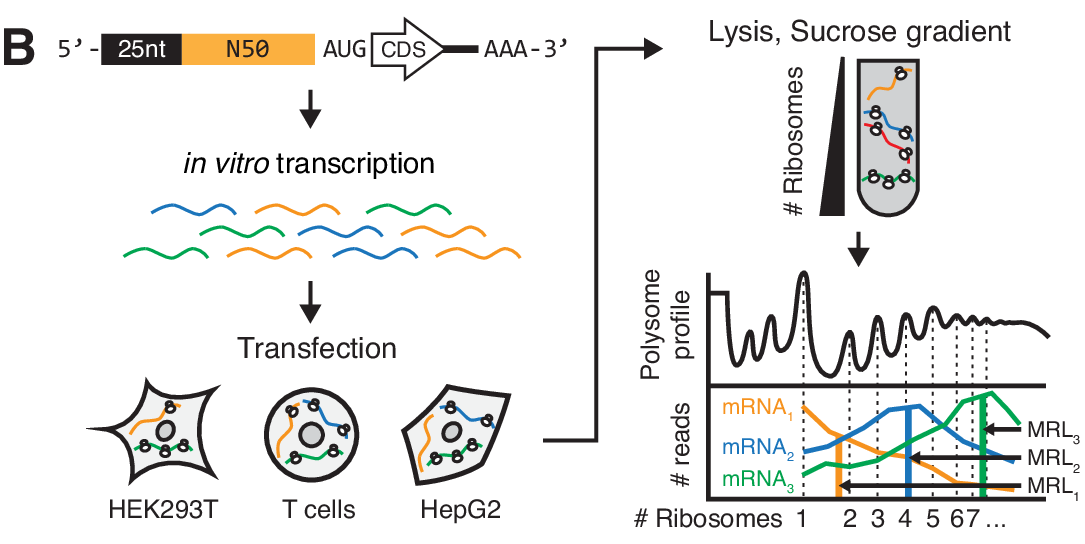
A small CNN cut prediction error by 28% against cheap features on unseen sequence families. For choosing the top 1% of sequences, the two were indistinguishable, and frozen UTR-LM embeddings added nothing.
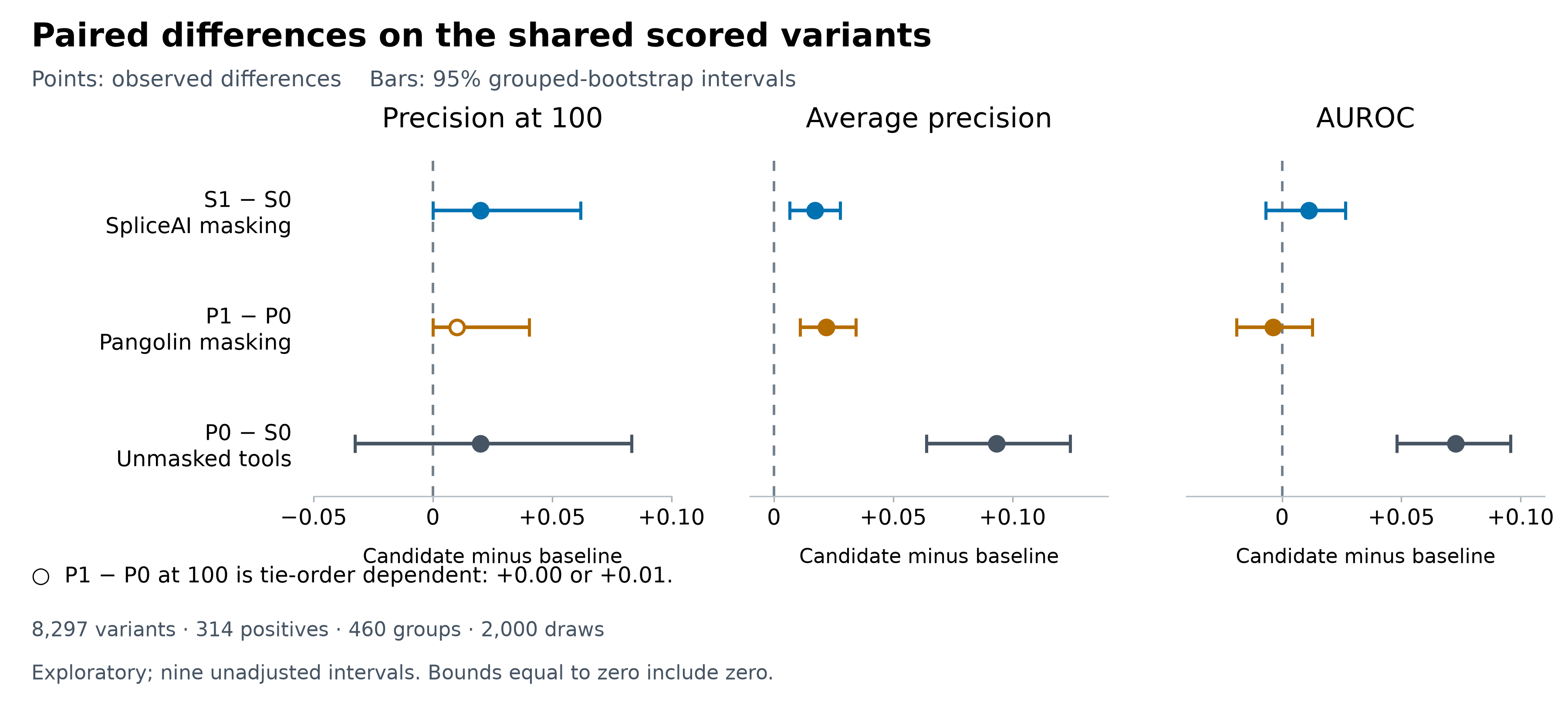
In this exploratory study, with annotation, reference genome and variants matched, SpliceAI and Pangolin put 63 to 66 assay-confirmed splice disruptions in their top 100 of the same 8,297 held-out MFASS variants. Masking raised average precision slightly for both tools; no top-100 difference was established.
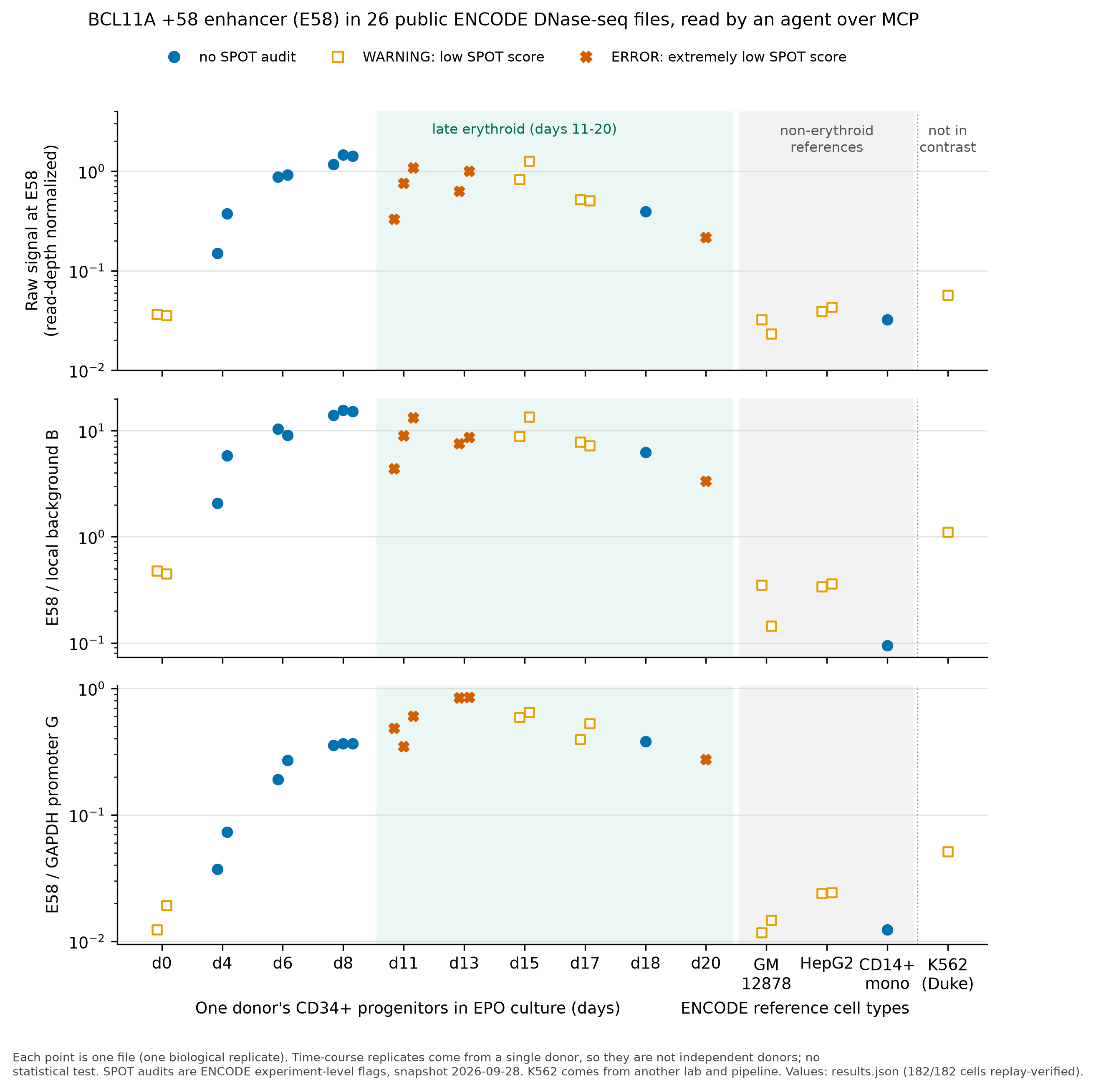
Genomics MCP is a local MCP server that gives AI agents bounded, provenance-tracked access to real genomic data: discover public files, then read bounded regions from bigWig, BAM, CRAM and VCF. Includes a case study where Claude used only its tools to compare BCL11A enhancer signal across 26 public ENCODE files.
The baseline, SpliceAI and Pangolin found 61, 64 and 65 disruptions in their top 100 MFASS variants. The differences do not establish a reliable winner.
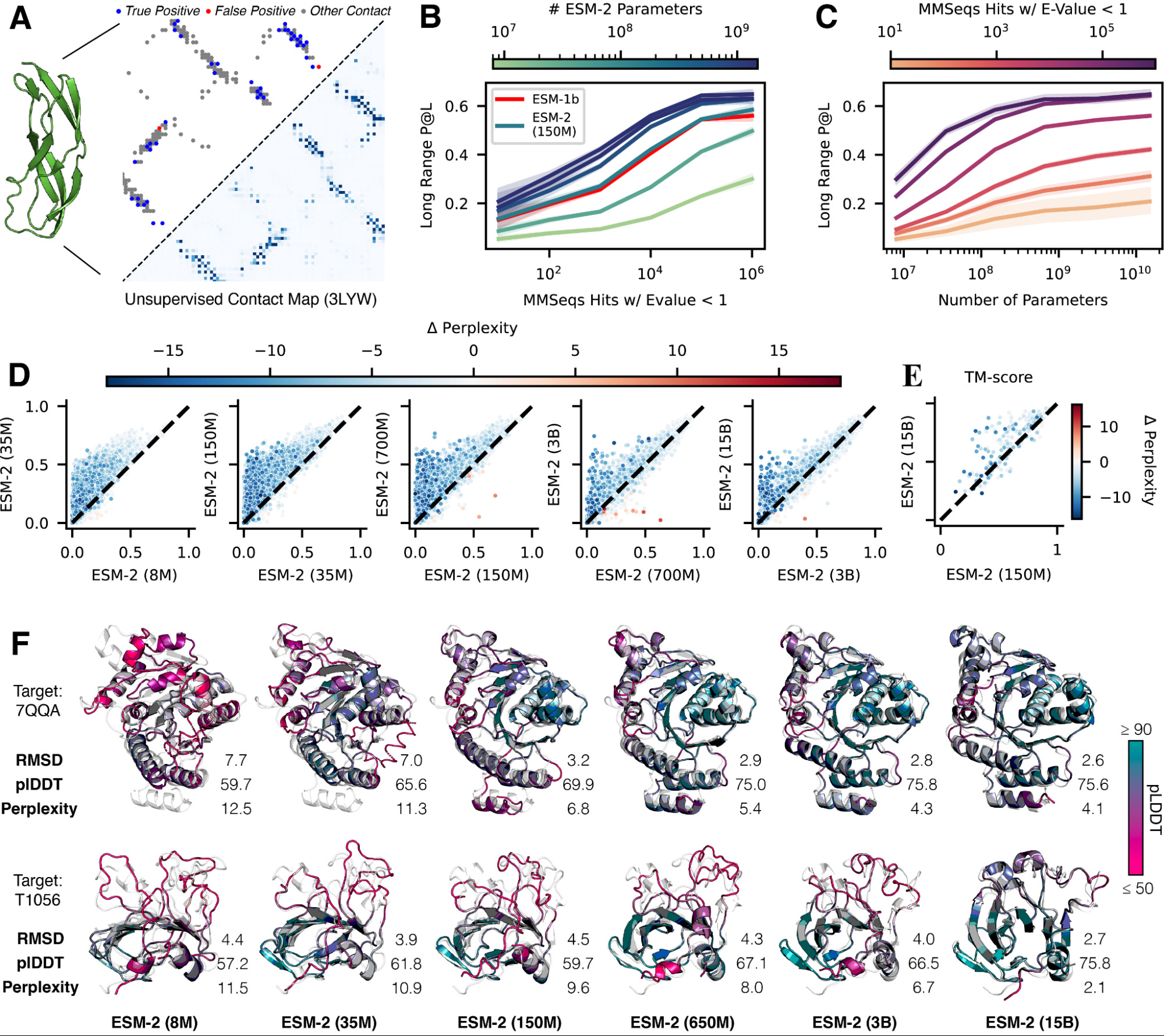
A practical guide to selecting genomic foundation models for bioinformatics tasks. Covers ESM-2, DNABERT-2, HyenaDNA, Nucleotide Transformer, scGPT, and Evo with scoped comparisons for DNA, proteins and single-cell analysis, with corrected references and clear distinctions between frozen representations and trained predictors.
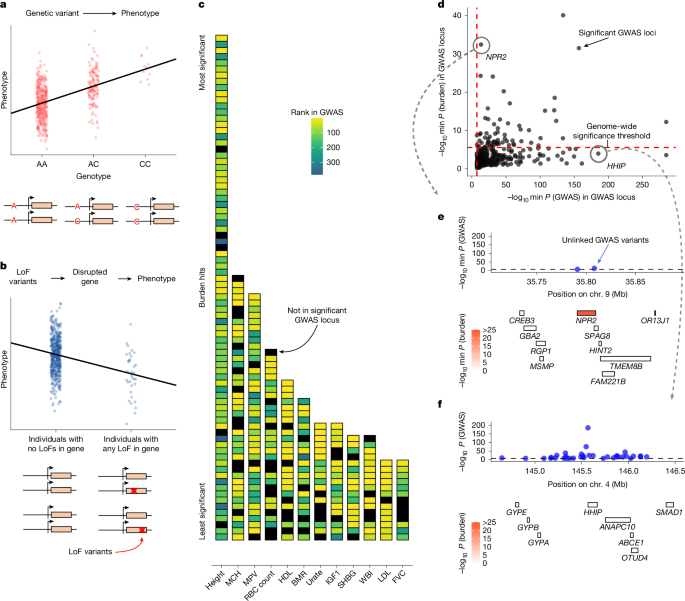
How gene length, trait specificity, and luck systematically distort which genes we think are important for disease, and what researchers should do about it