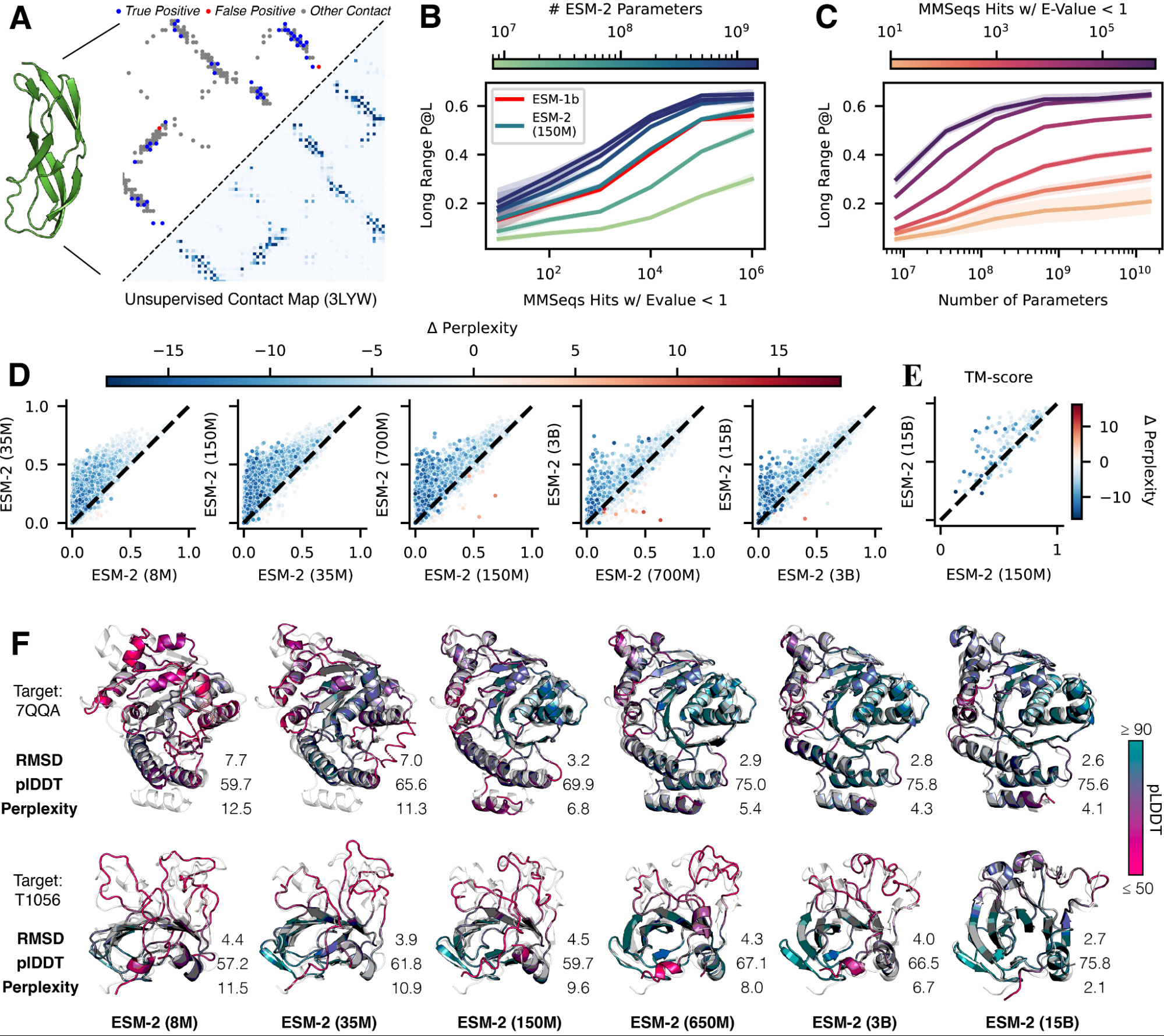
Structure Without Alignment: How ESM-2 Folds a Single Sequence
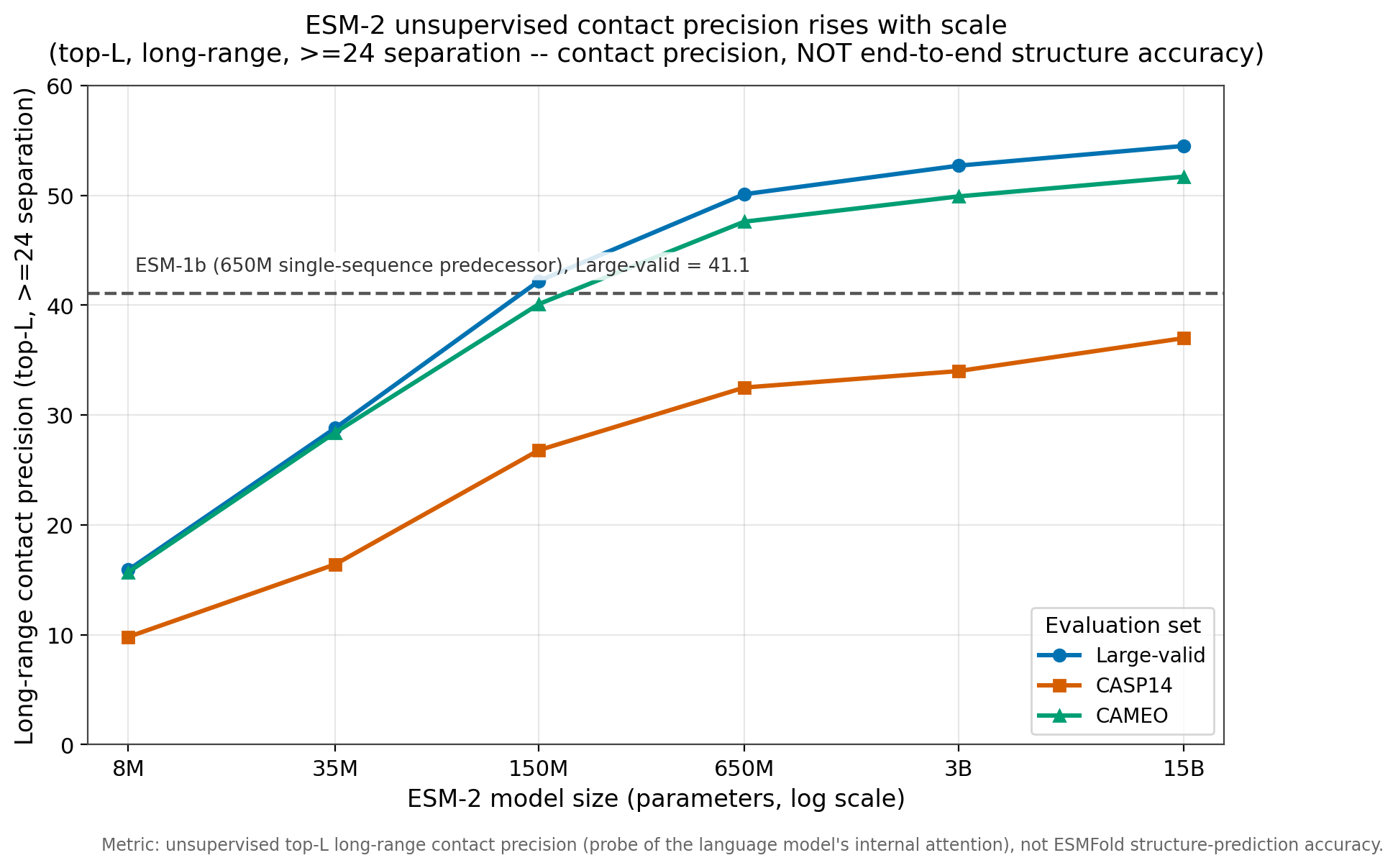
ESMFold predicts atomic-level structure from a single sequence. No multiple sequence alignment, no database search, no Evoformer churning over homologs.
11 articles tagged with #deep learning.
ESMFold predicts atomic-level structure from a single sequence. No multiple sequence alignment, no database search, no Evoformer churning over homologs.
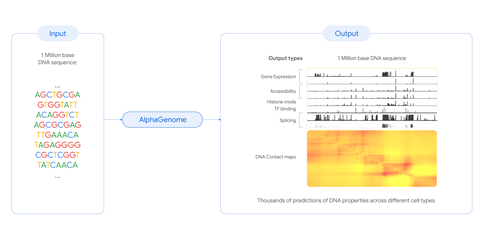
Google DeepMind's AlphaGenome reads 1 million base pairs of DNA and predicts thousands of regulatory functions at single-nucleotide resolution, beating 25 of 26 specialized models.
AlphaGenome processes 1 million DNA base pairs to predict variant effects across 7,000+ genomic tracks in one second, outperforming specialized models on 25 of 26 VEP benchmarks.
A technical look at AlphaGenome's architecture, its 2D pairwise embeddings for splicing prediction, and what the model means for clinical variant interpretation.
A practical guide to selecting genomic foundation models for bioinformatics tasks. Covers ESM-2, DNABERT-2, HyenaDNA, Nucleotide Transformer, scGPT, and Evo with scoped comparisons for DNA, proteins and single-cell analysis, with corrected references and clear distinctions between frozen representations and trained predictors.
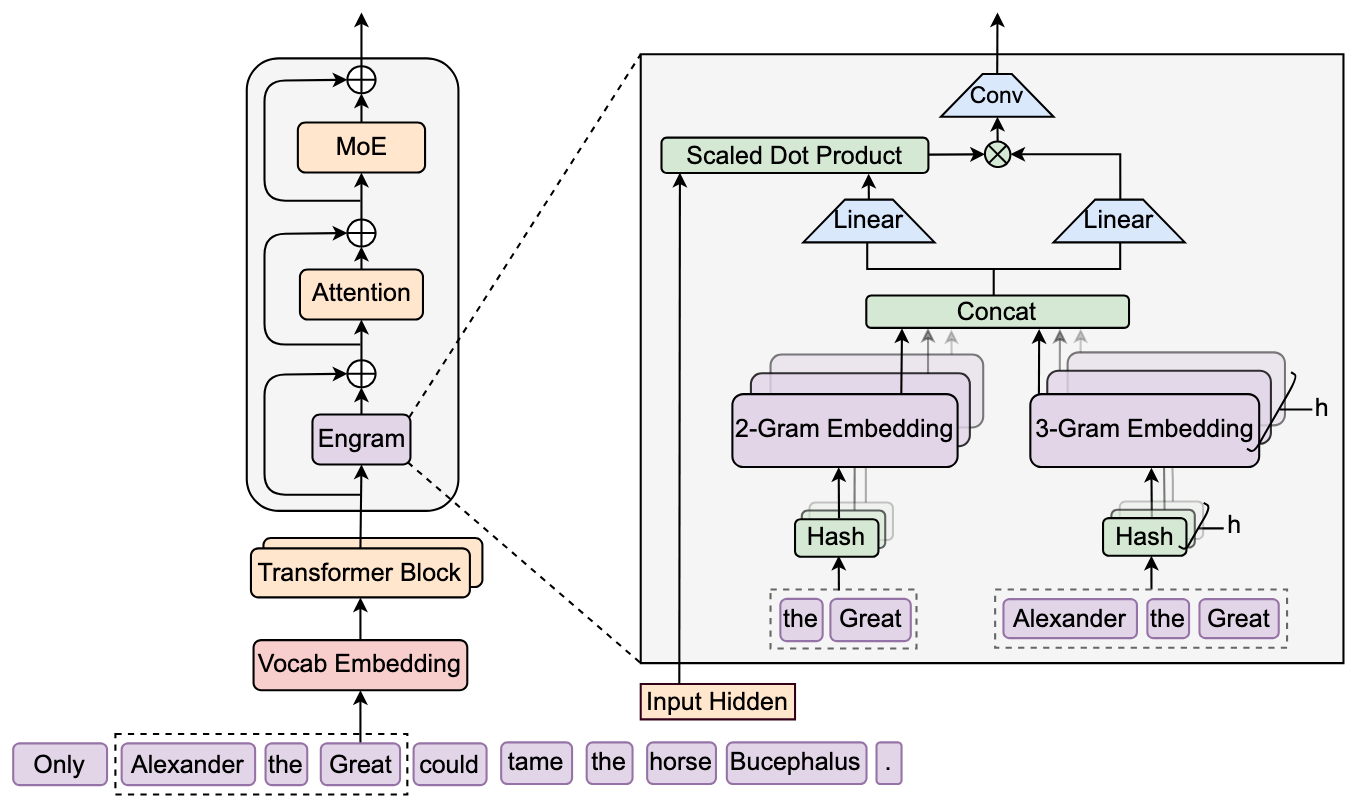
A technical deep dive into DeepSeek's Engram architecture, which introduces conditional memory as a new axis of sparsity for large language models.
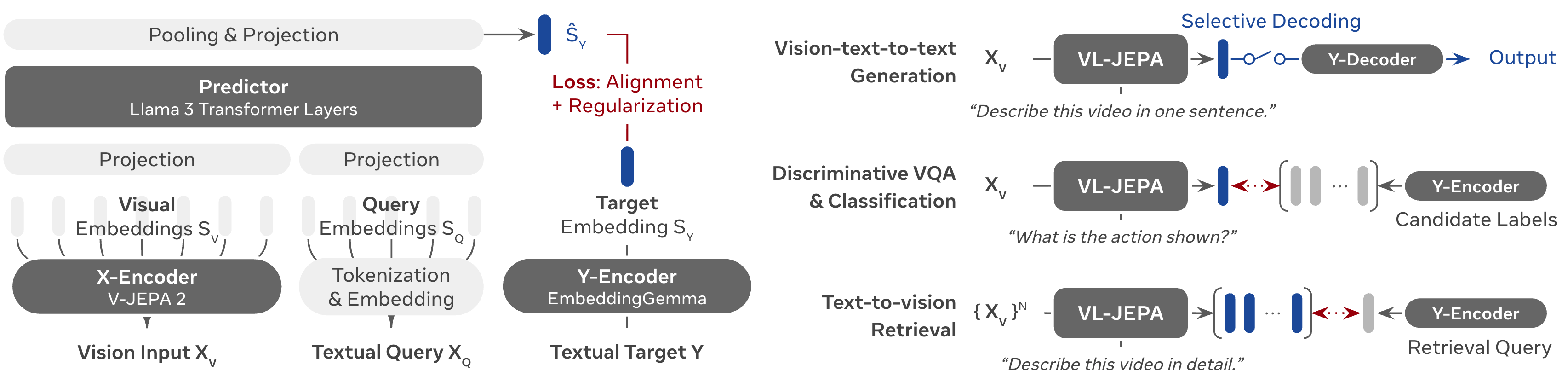
VL-JEPA changes the prediction target and separates visual inference from text decoding. Here is how its objective differs from token prediction and latent diffusion, and what its efficiency results establish.
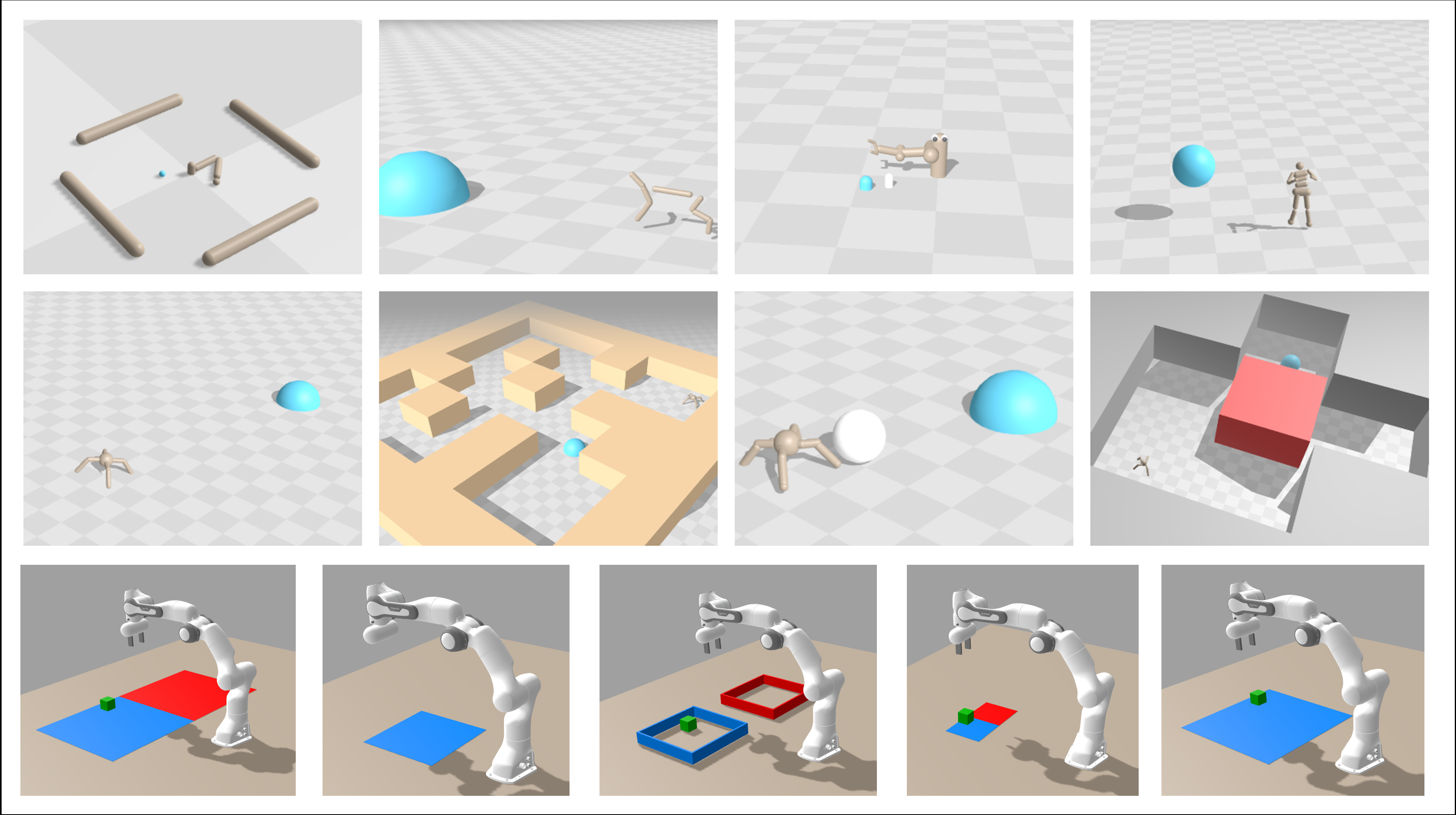
Recent research shows 1024-layer networks achieve 2x to 50x improvements in goal-conditioned RL. Here's why extreme depth works now, and when you should consider it for your own agents.
Pedro Domingos proposes that neural networks and symbolic AI are the same mathematical operation - a logical rule can be equivalently written as a tensor equation in Einstein summation notation. If true, we've been building separate tools for problems that share identical structure.
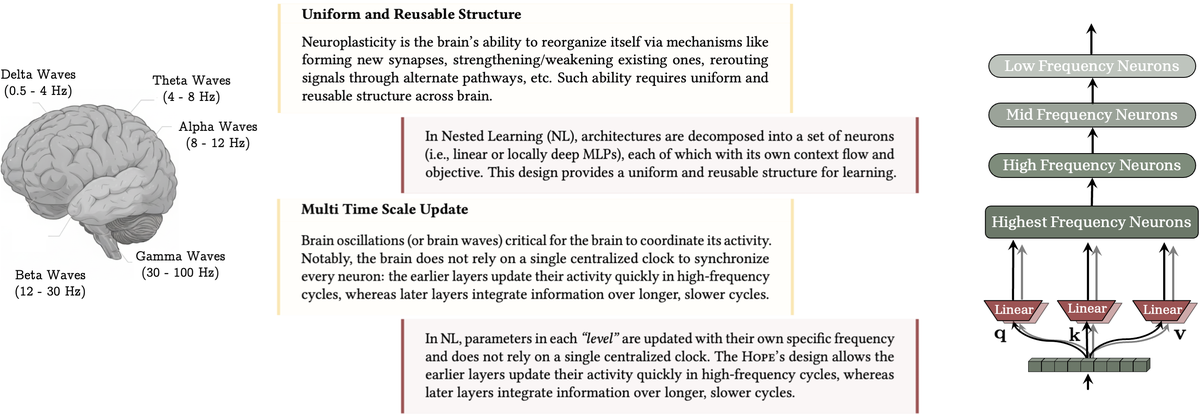
Nested Learning: The Illusion of Deep Learning Architectures - A comprehensive guide to the arXiv paper revealing how neural networks learn at multiple timescales through hierarchical optimization.
Why does it feel like our tools weren't designed by pathologists? Billions poured into AI models that compress whole slide images into tiny vectors, ignoring how pathologists actually examine tissue. The evidence reveals why scaling won't fix this disconnect.